Fianarantsoa – Blessings for the Road

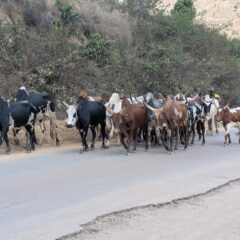
It was time to leave Ranomafana behind and continue south. First stop today was Fianarantsoa – about 65 km away. We arrived there around midday.

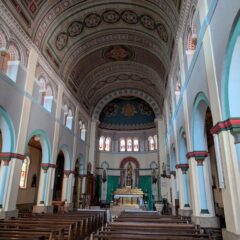
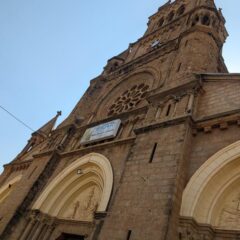
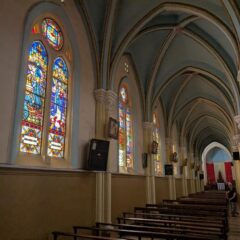
Fianarantsoa is Madagascar’s fifth largest city with around 190,000 inhabitants. It is also an important cultural and religious centre, serving as the seat of a Catholic archdiocese and home to some of the island’s oldest Protestant and Lutheran churches.

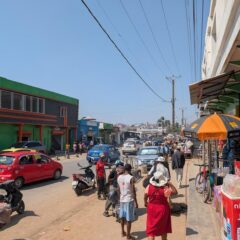
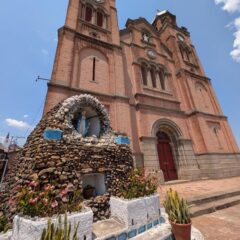
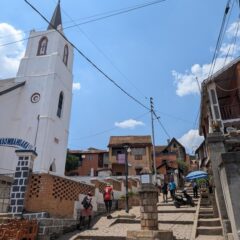
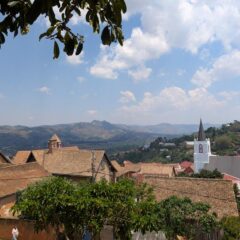
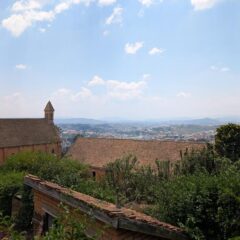
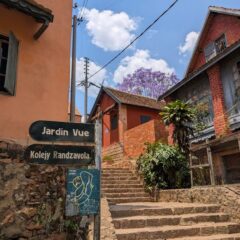
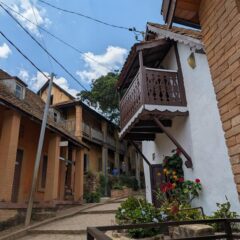
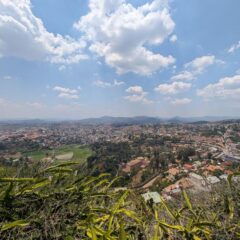
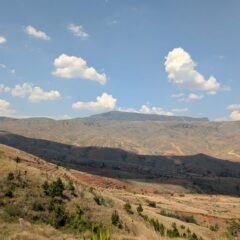
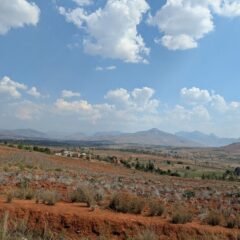
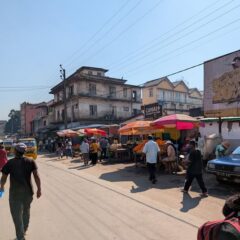
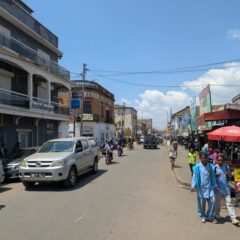
We spent a good hour exploring the old town, following Rue de Rova and taking in some of the churches along the way. We then continued towards the top of Ivoneana, which offered some good views across the town – a nice opportunity to get a different perspective on this city with its many churches. Eventually, we left the old town behind and continued towards the Anja Community Reserve – another 65 km away.

Ranomafana Nightwalk – the (Roadside) Sounds of the Jungle

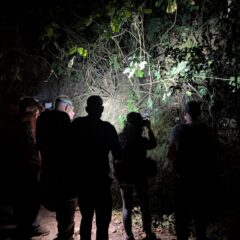
The evening program was a night walk in search of nocturnal wildlife around Ranomafana. The itinerary promised an encounter with the rainforest’s overwhelming soundscape and the chance to spot mouse lemurs and other nocturnal animals. Sounds promising enough.

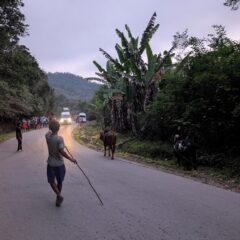
The reality, however, was somewhat different: the walk took place justoutside the national park boundary, along the RN25 – the main road leading to Ranomafana. And we weren’t alone, either – several other tourist buses were unloading their passengers nearby, while traffic continued flowing in both directions. Nothing quite captures the atmosphere of a nocturnal rainforest walk like the headlights of passing vehicles and the chatter of several groups of tourists searching for the same animals – at least the paved road was convenient enough.

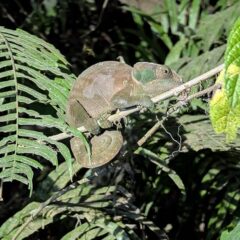
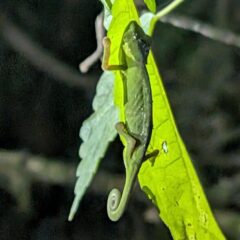
To be fair, we did spot the promised mouse makis, plus some birds and chameleons along the way. But between the traffic, the tour buses and the general commotion, the whole experience was rather surreal. The promised jungle soundscape was perhaps there somewhere – just somewhat drowned out by the sounds of civilization.

For me, this was easily the lowlight of the entire trip. Not a magical encounter with the nocturnal world of Madagascar, but rather a roadside wildlife exhibition, with free access and plenty of passing traffic.

To Ambositra – Of Woodwork, an Unexpected Downpour and a Rummy Discovery

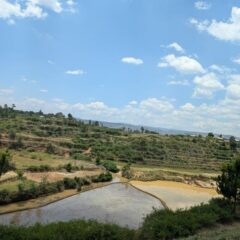
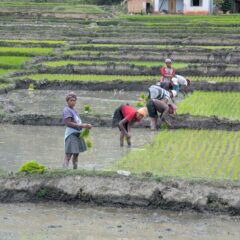
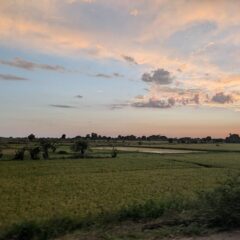
The drive from Antsirabe to Ambositra was a straightforward affair, around 95 km heading south along the RN7, with views of rice paddies along the way.

Ambositra is regarded as the center of Madagascar’s traditional woodcraft. The town is particularly known for its marquetry – decorative work made by assembling pieces of differently colored wood – as well as carved objects and furniture.

As such, another handicraft workshop was on the program – this time introducing us to the local woodworkers and giving us a demonstration of their craft. The most memorable part, however, was not necessarily the craftsmanship itself: it was absolutely pouring down outside while we watched. So much for traveling during the dry season!

The afternoon was left free, giving us a chance to explore Ambositra on our own. After a little wander around town, it was time for dinner – and the discovery of the day: Rhum Arrangé. This is rum infused with fruit and sugar, and every restaurant or bar in Madagascar seems to have its own version and selection of flavours. I had seen it on menus before, but it was only today that I finally gave it a shot. And that was the end of my Three Horses Beer phase for the rest of the trip.

Antsirabe Exploration

After our bonus day around Antsirabe, it was time to continue the journey south. But first, we had a little time to explore the town itself.

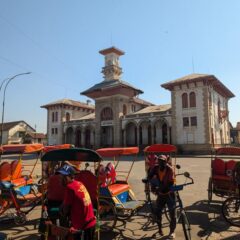
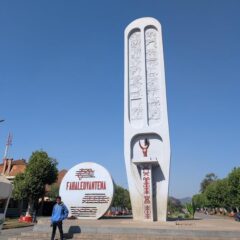
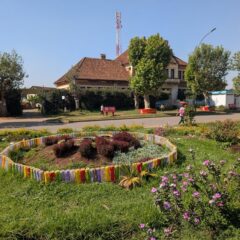
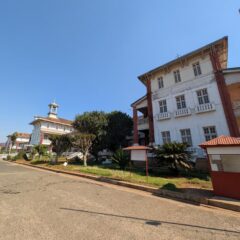
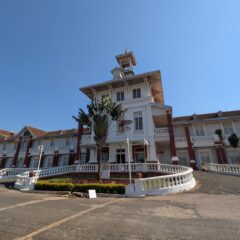
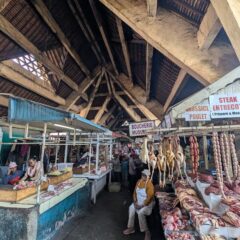
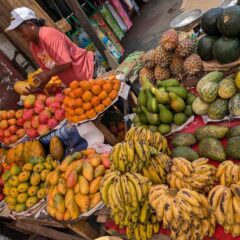
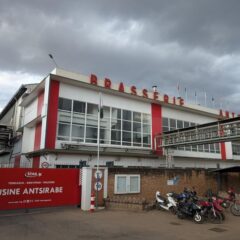
Our short city tour started at the old railway station, a reminder of the colonial era, before we headed up the Grande Avenue. Along the way, we stopped at the Monument Fahaleovantena, where we got a brief introduction to some of Madagascar’s history. We then passed an old school building before reaching the Hôtel des Thermes, another fine example of the town’s colonial architecture. From here it was on to the cathedral and the local market.
The program then included a couple of handicraft stops: first, a gemstone shop, where we could admire the local stones and the owner’s dogs. Then came a workshop processing zebu horn into jewellery and other items. The smell of burning horn was quite something – not necessarily an experience I would have gone out of my way to seek. Both stops were easily skippable, as far as I was concerned.

With our little tour over, we were heading south – next stop: Ambositra.

It’s Baobab o’clock somewhere …

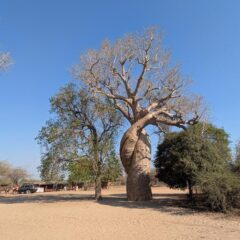
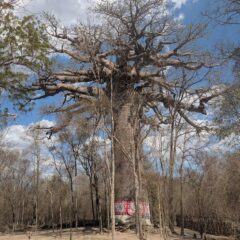
This afternoon was reserved for one of Madagascar’s most recognisable sights: the baobabs. We left the hotel and made our way towards the coast, with a few interesting stops along the way. First up was the so-called Holy Baobab, a particularly impressive old tree which is considered sacred by the local population. Unlike most trees, these giants are not simply part of the landscape – some have a special cultural and spiritual significance for the communities living around them.

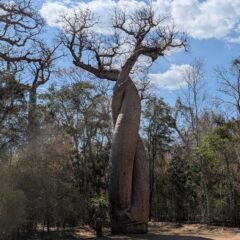
Next came the “Loving Baobabs” – two trees that have grown intertwined around each other, rather resembling a couple embracing. A slightly unusual natural monument, but certainly a photogenic one!

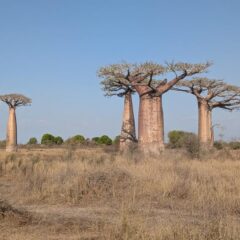
But what exactly makes baobabs so special and distinctive? Their enormous, bottle-shaped trunks can store vast amounts of water, allowing them to survive long periods of drought. They can also live for hundreds, sometimes thousands, of years. Of the nine recognized baobab species worldwide, seven are endemic to Madagascar – making the island the baobab capital of the world.
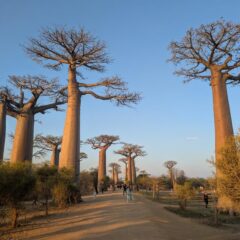
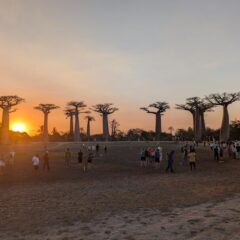
We reached the main act about an hour before sunset: the Avenue of the Baobabs.

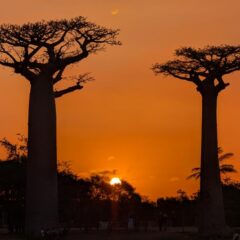
This famous stretch of dirt road is lined with enormous baobabs, some of them estimated to be several hundred years old. Their unusually thick trunks and relatively small crowns give them an almost upside-down appearance – as if someone had planted the trees the wrong way round.

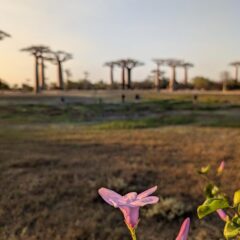
We joined the inevitable gathering of photographers and visitors waiting for the right light. As the sun slowly descended, the trees turned into dark silhouettes against the changing colors of the sky.

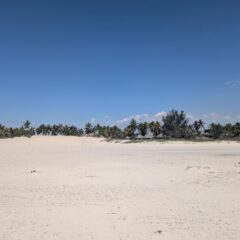
Less than an hour later, we were back in Morondava and on the beach. Quite a day – from lemurs and iguanas in the forest to Madagascar’s most iconic trees at sunset.